Choosing Care · 6 min read
GDA or nurse at home — which one does your patient actually need?
Families routinely pay for a nurse when an attendant would do, or the reverse. Here is the honest distinction, and how to decide.
Paras Homecare ·

This is the question we are asked more than any other, and the answer is usually cheaper than families expect. A General Duty Attendant and a nurse do genuinely different jobs, and paying nursing rates for attendant work is one of the most common ways households overspend on home care.
What a GDA does
A General Duty Attendant handles physical, non-clinical care. That means bathing, grooming, toileting, feeding, helping a patient walk or transfer to a wheelchair, and turning a bed-bound patient every two hours so pressure sores do not develop. A good attendant also notices things — that a patient ate less today, that a wound looks redder — and reports them.
What a nurse adds
A qualified ANM or GNM nurse can do everything above, plus clinical procedures: IV cannulation and infusions, injectable medication, sterile wound dressing, catheter and Ryles tube management, tracheostomy care and suctioning, and structured vitals monitoring with proper documentation.
How to decide
- If the patient has no lines, tubes, wounds or injections due — an attendant is almost certainly enough.
- If there is a drain, catheter, tracheostomy, feeding tube or a wound needing sterile dressing — you need a nurse, at least for the procedures.
- If injections are due once a day but the rest is physical care — book an attendant full-time and a nurse for a daily visit. This combination costs far less than round-the-clock nursing.
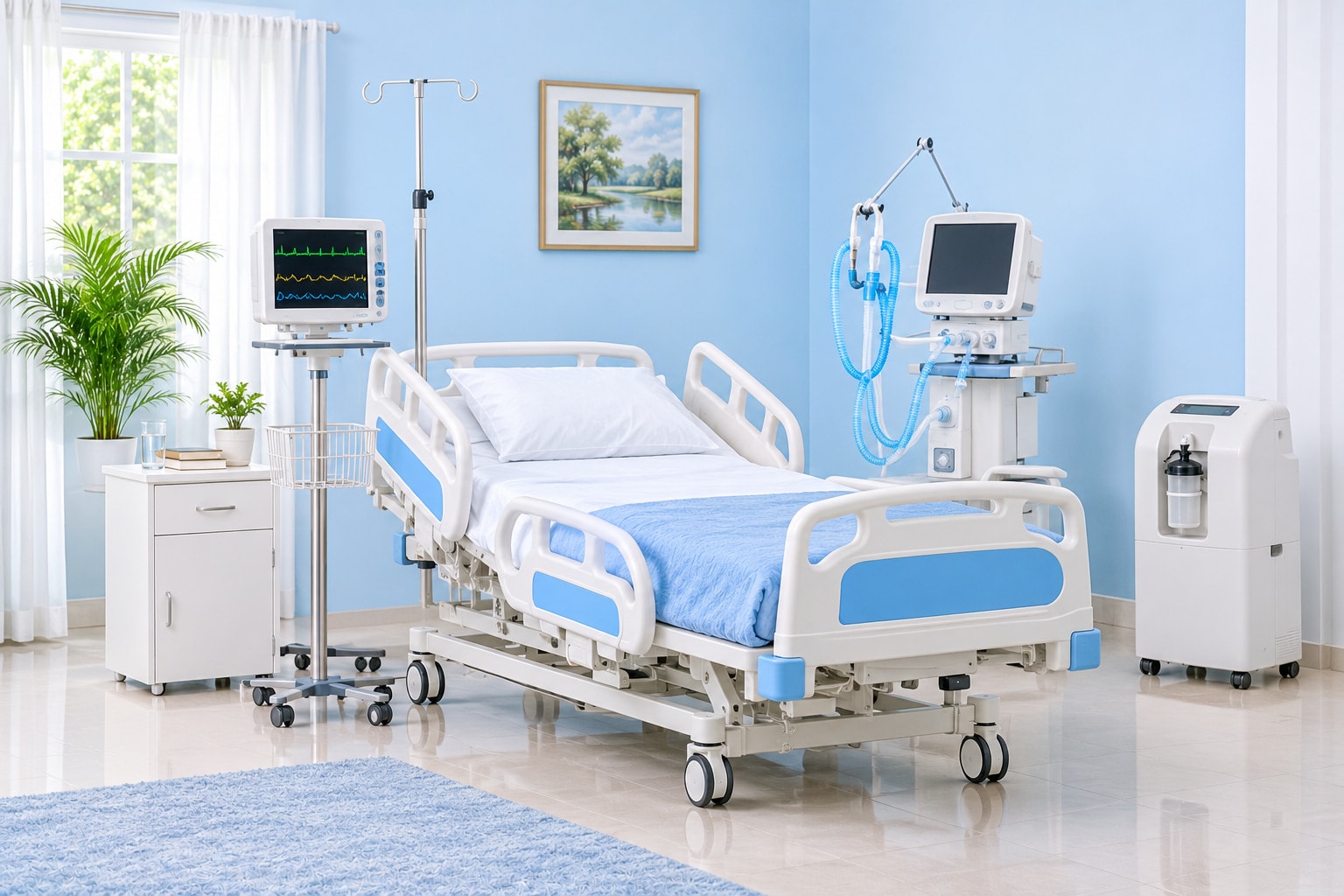
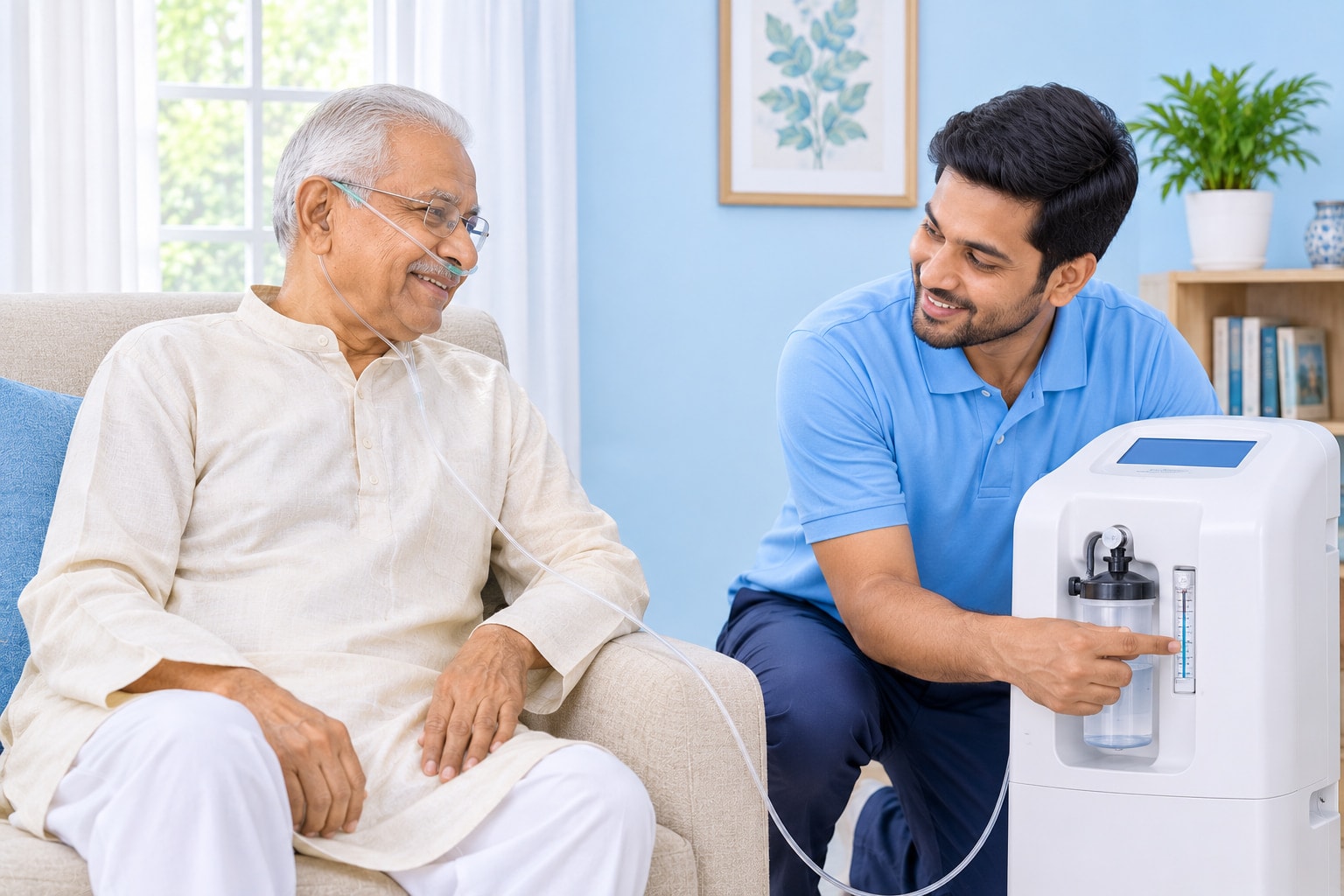
- If the patient is unstable, on oxygen, or recently out of ICU — start with nursing and step down as they improve.
The step-down is the part families forget. Care needs change week by week after a discharge. Review the level of support every fortnight — many patients who need a nurse in week one need only an attendant by week four.
This guide is general information, not medical advice. Always follow the advice of the patient's doctor.