Caregiving · 7 min read
The hospital discharge checklist most families are never given
The first 72 hours at home decide a great deal. Fifteen things to sort out before the ambulance leaves.
Paras Homecare ·

Discharge day is chaotic, and families are handed a summary they are too stressed to read. Most avoidable readmissions in the first week trace back to something on this list being missed.
Before you leave the hospital
- Get the discharge summary and read it in front of the doctor, not in the car.
- Confirm every medication: name, dose, timing, and which of the pre-admission medicines are now stopped.
- Ask what warning signs should trigger a phone call, and what should trigger a return.
- Ask when the wound can get wet, and who changes the dressing between now and follow-up.
- Get the follow-up appointment booked, not merely suggested.
Set up at home the same day
- A bed the patient can get in and out of safely, at the right height.
- A clear path to the bathroom with nothing to trip on and a light that works at night.
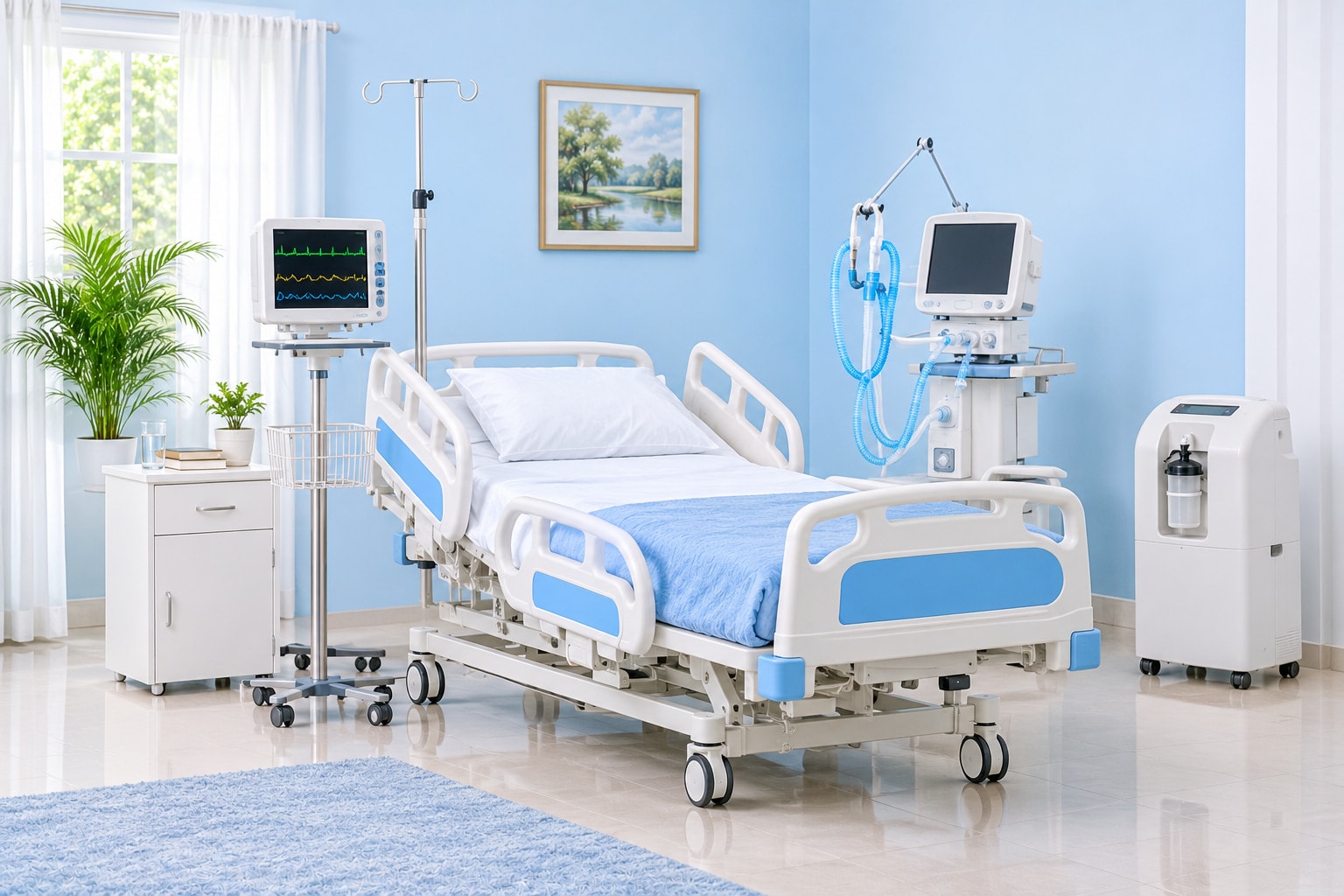
- Equipment in place and tested — concentrator, air mattress, commode, walker.
- A written medication chart on the wall, not a memorised routine.
- One person designated as the point of contact for the treating team.
The first 72 hours
Take and write down vitals twice a day — temperature, pulse, blood pressure, and oxygen saturation if relevant. A trend written on paper is worth more to a doctor than a family member's recollection, and it is how deterioration gets caught early.
This guide is general information, not medical advice. Always follow the advice of the patient's doctor.